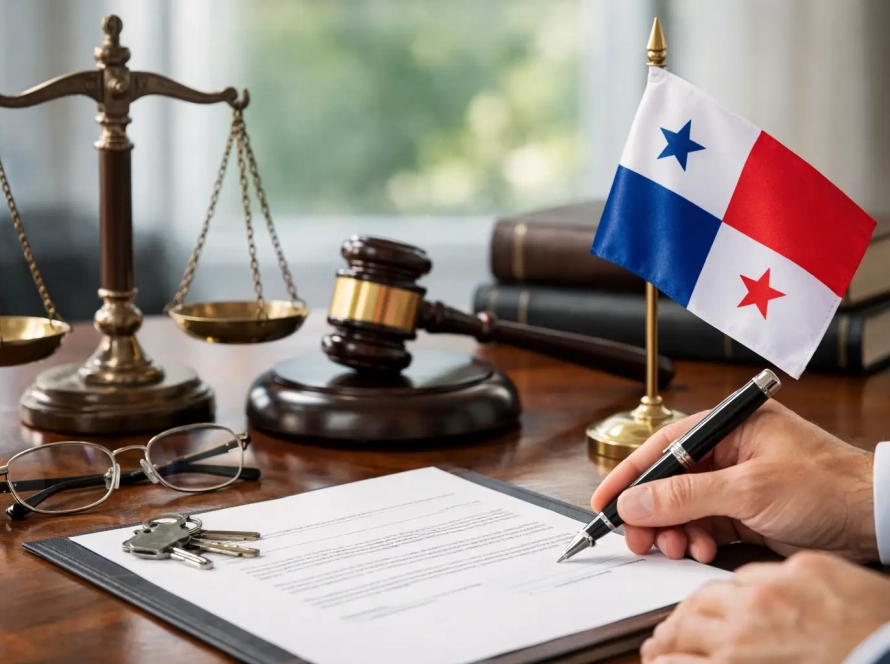
A relocation plan can look complete until an immigration officer, bank compliance team, or property seller asks for one document you did not bring. The top Panama relocation legal documents are not a generic checklist. They depend on whether you are seeking residence, opening a company, buying real estate, working locally, or simply establishing a lawful base for your family.
The right preparation gives you options. It also prevents a common and costly problem: arriving with documents that are expired, improperly apostilled, untranslated, or inconsistent with the information in your application. Panama offers attractive residence and investment pathways, but each process requires proof that is current, credible, and properly presented.
Begin With Your Immigration Objective
Before requesting certificates or paying for apostilles, define the legal purpose of your move. A retiree applying under a pension-based residence route will need a different evidence package than an investor, a remote worker, an executive relocating for a Panamanian company, or a family joining a principal applicant.
This step matters because immigration documentation is not interchangeable. A document that is sufficient for a short-stay remote worker application may not satisfy a permanent residence route. Likewise, a residence permit does not automatically authorize local employment. If you intend to work for a Panamanian employer or manage operations on the ground, immigration and labor requirements must be assessed together.
Your passport is the starting point. It should be valid well beyond your anticipated travel and filing dates, with readable pages and sufficient blank space. Keep certified copies of the biographic page and any pages showing prior Panamanian entries or visas. A difference in spelling, middle names, dates, or marital status across your documents should be addressed before filing, not explained after a delay occurs.
Civil Records That Establish Your Identity and Family Status
Birth certificates, marriage certificates, divorce decrees, and name-change records often become essential when a spouse, children, or other dependents will be included in a relocation process. They may also be needed for banking, school enrollment, estate planning, insurance, or property transactions.
For US citizens, these records generally need the correct apostille before they can be used in Panama. The issuing authority matters. State-issued records are typically apostilled through the appropriate state process, while federal documents follow a different authentication route. Obtaining an apostille from the wrong authority can mean starting over.
If your documents are not in Spanish, a translation may be required for Panamanian legal filings. The translation should be handled in a form acceptable to the relevant Panamanian authority. Do not assume that an informal English-to-Spanish translation, even one that appears accurate, will be accepted for immigration or government use.
Police Clearance Certificates and Their Timing
A criminal background certificate is among the most frequently requested Panama relocation documents for residence applications. For many US applicants, this means an FBI Identity History Summary. Other nationalities may need an equivalent certificate from their country of nationality, residence, or both.
Timing is critical. Immigration authorities may require police certificates issued within a limited period before filing. A certificate that was valid when you ordered it can become too old while you wait for apostille processing, translations, travel, or an appointment. Your legal strategy should establish the correct order: obtain the record, apostille it, translate it if required, and file while it remains current.
A prior criminal matter does not always end a relocation plan, but it should never be concealed or minimized. The nature of the record, the disposition, the time elapsed, and the specific visa category can all affect the available options. Full disclosure to counsel allows the issue to be evaluated responsibly before an application is submitted.
Financial Evidence and Proof of Lawful Funds
Panama residence, banking, investment, and property matters commonly require evidence of financial capacity and the lawful origin of funds. Bank statements, pension letters, investment account statements, employment agreements, tax returns, audited financials, business contracts, and dividend records may all be relevant depending on your circumstances.
The goal is not merely to show a balance. Authorities and banks may want to understand how the funds were earned, how they moved between accounts, and who ultimately owns the assets. A large transfer made shortly before an application or account opening can invite additional questions unless it is supported by clear records.
For entrepreneurs and investors, preserve corporate records that explain your business activity. These can include formation documents, certificates of good standing, shareholder registers, invoices, client agreements, financial statements, and proof of tax compliance. If a company will fund your move or investment, the company-to-individual relationship must be documented clearly.
Documents for Work, Business, and Corporate Control
Foreign nationals can own Panamanian companies, invest, and hold directorships, but local work activity may trigger separate work permit and labor compliance considerations. The correct structure depends on your role, the business sector, the number of local employees, and whether you will receive compensation from a Panamanian entity.
If you are relocating to launch or acquire a business, gather your existing company documents early. Articles of incorporation, certificates of existence, operating agreements, board resolutions, powers of attorney, tax registrations, and beneficial ownership information may be needed to establish a Panamanian subsidiary, open accounts, sign contracts, or document your authority to act.
A power of attorney can be useful when you need legal representation for filings, banking preparation, property due diligence, or company formation while you are outside Panama. It should be drafted for the intended transaction rather than treated as a generic form. Broad authority may be unnecessary, while narrow authority can leave your representative unable to complete a time-sensitive task.
Real Estate and Housing Records
Renting a home does not usually require the same documentation as purchasing one, but both deserve careful attention. For a lease, you may need identification, proof of income, bank references, and a clear understanding of deposit, renewal, maintenance, and early-termination terms.
For a property purchase, the legal file should go much further. A buyer should review title and registry information, confirm the seller’s authority, examine outstanding liens or restrictions, verify tax and condominium obligations where applicable, and ensure that the payment structure is properly documented. If a Panamanian corporation will hold the property, corporate authority and beneficial ownership documents will also be central to the transaction.
Do not confuse possession, occupancy, or a private agreement with verified legal title. A property can be attractive and still carry legal risks that only formal due diligence will reveal.
Banking and Tax Records Need Their Own File
Opening a Panamanian bank account is often a compliance process, not a simple administrative errand. Banks may request a passport, proof of address, professional or business references, tax returns, bank statements, source-of-funds evidence, and corporate records. Requirements vary by institution and by the profile of the client, especially for US citizens and internationally mobile business owners.
US persons should also plan for continuing US tax and financial reporting obligations. Panama’s territorial tax system does not eliminate US filing responsibilities, and cross-border income, foreign accounts, companies, trusts, and investments require coordinated advice. Keep organized records of residency dates, income sources, asset ownership, transfers, and tax filings from the beginning of your move.
Organize Authentication, Translation, and Expiration Dates
A well-prepared relocation file should include originals, certified copies where appropriate, digital backups, and a tracking sheet showing each document’s issue date, apostille status, translation status, and expiration date. This is particularly valuable when a family is applying together or when several processes are running at once.
Avoid ordering every possible document months in advance. Some records have short validity windows, while others can be obtained earlier without concern. The correct sequence depends on your selected residence route, travel date, investment timetable, and whether you need documents for immigration, banking, corporate formation, or real estate at the same time.
Williams & Associates can coordinate these moving parts through a legal strategy tailored to your residence, investment, business, and family objectives. The value is not simply collecting paperwork. It is presenting the right evidence, in the right form, at the right stage of your move.
Before you book the final flight, treat your document file as part of the relocation itself. A clear, current, and legally sound record gives you greater control when Panama’s immigration, banking, and commercial systems begin asking for proof.